Panera eCommerce Web
Panera’s web experience helped shape a more connected, more personalized digital ordering business across web, mobile, kiosk, and loyalty.
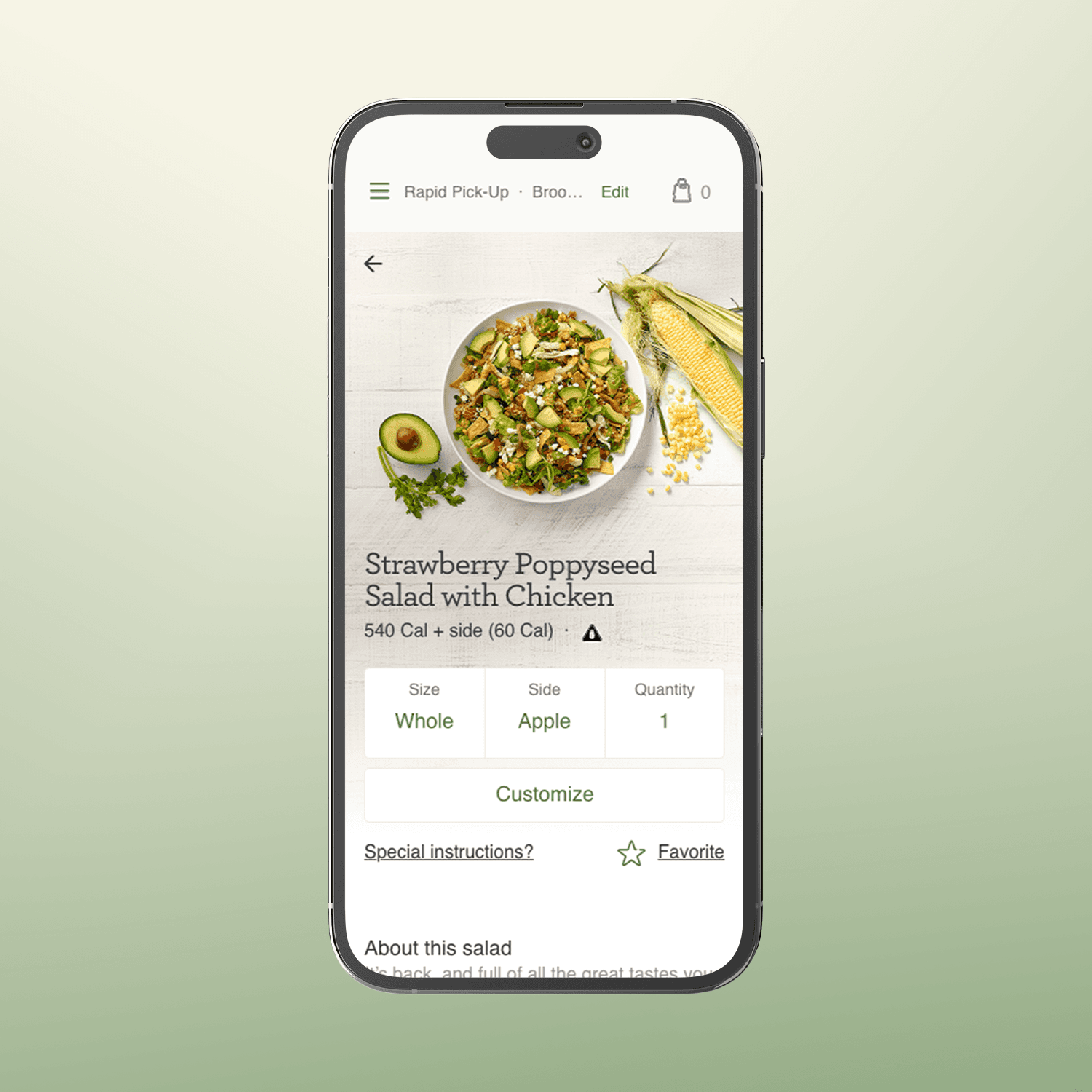
- eCommerce scale
- $2B+
- MyPanera members managed
- 35M
- Personalization eCommerce conversion lift
- 25%
Panera’s digital business was scaling quickly, but ordering, loyalty, and personalization still risked feeling channel by channel instead of like one connected experience.
We helped shape a web experience that made ordering more consistent, more mobile-ready, easier to measure, and better prepared for personalization at scale.
Making web central to digital ordering
Panera’s eCommerce web experience was not just a digital ordering site. It was one part of a broader shift toward a more connected digital ordering business.
The goal was to make ordering feel consistent across web, mobile, kiosk, and loyalty experiences, while still supporting the real complexity of restaurant operations: menu availability, cafe selection, customization, pickup timing, payment, rewards, personalization, and fulfillment.
That made web especially important. It had to serve traditional desktop ordering, adapt to the rise of mobile web, support the MyPanera experience, and establish patterns that could scale into newer commerce flows like catering.
At the time, digital ordering was becoming a major business engine for Panera. By 2018, the company publicly reported roughly $2 billion in annual digital sales across web, mobile, and kiosk ordering. The web experience had to operate at that level of scale.
Creating consistency across channels
As ordering expanded across touchpoints, the experience needed to feel more consistent.
We helped shape the web platform so ordering felt more consistent whether a customer started on web, mobile, or another digital channel. This was not just visual consistency. It was about creating repeatable patterns for browsing, customization, cart behavior, loyalty, checkout, and account interactions.
That consistency mattered because customers do not think in channels. They think in tasks.
They want to find food, customize it, use their rewards, place an order, and get on with their day. The product had to make those steps feel obvious regardless of where the journey started.
The rise of mobile web made that even more important. The web experience could no longer be treated like a desktop-first channel. It had to be responsive, touch-friendly, fast, accessible, and aligned with the rest of the ordering business.
Making loyalty part of the experience
MyPanera was central to the broader ordering experience.
With 35 million members, loyalty was not just a marketing program layered on top of ordering. It was part of the customer experience itself. Rewards, account identity, preferences, saved behavior, and personalized experiences needed to show up consistently across channels.
We helped strengthen that connection between ordering and loyalty, making MyPanera feel more integrated into the commerce journey rather than separate from it.
That work became especially important as personalization and experimentation matured. Using customer insights, recommendations, and Adobe’s marketing technology stack, we supported a more tailored eCommerce experience that improved conversion by 25%.
The larger idea was simple: the more Panera understood the customer, the easier and more relevant the ordering experience could become.
Making later commerce work easier
The work on web also made later commerce work easier.
The same patterns used to simplify everyday ordering could support more complex journeys like catering, where the stakes were higher, the order sizes were larger, and the customer needed more confidence throughout the flow.
That was the benefit of treating web as part of the larger product, not as a separate channel. The same work supported ordering, loyalty, personalization, and later digital commerce efforts.
What we learned
Panera showed how digital commerce becomes more powerful when channels stop behaving like separate products.
The work was not just about improving web ordering. It was about creating a more connected system where web, mobile, kiosk, loyalty, personalization, and operations could reinforce each other.
At that scale, design systems, accessibility, analytics, mobile readiness, and personalization were not nice-to-have improvements. They were what allowed the customer experience to keep pace with the growth of the business.
The result was a web experience that helped Panera treat digital ordering as a serious growth engine, not a side feature.
More with Panera
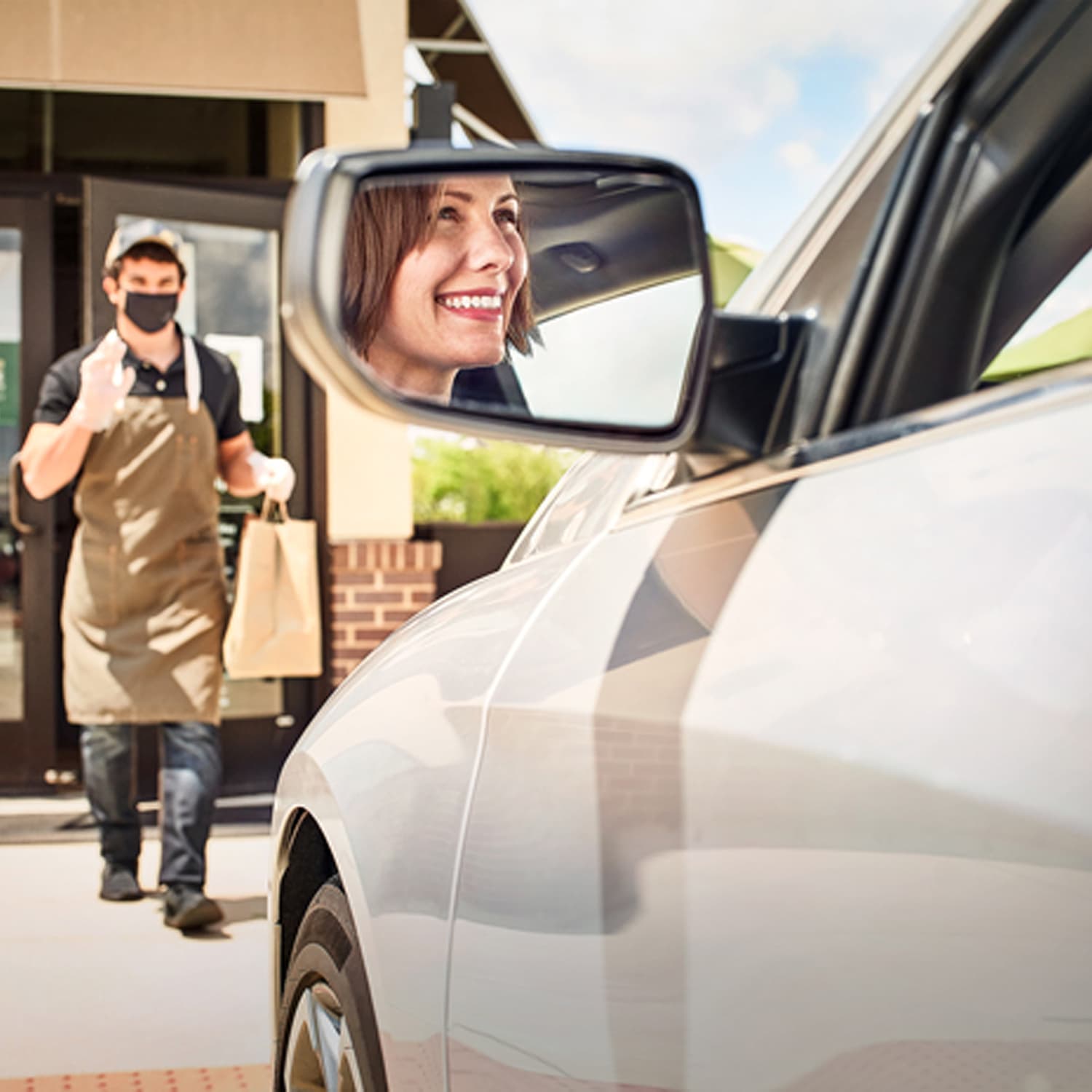
Curbside Pickup
An early product concept that treated pickup as part of the product, not just what happens after checkout.