Ace: Ambient AI
Ace brought personalized AI into the CITY app in a way that felt useful on matchday, not gimmicky.
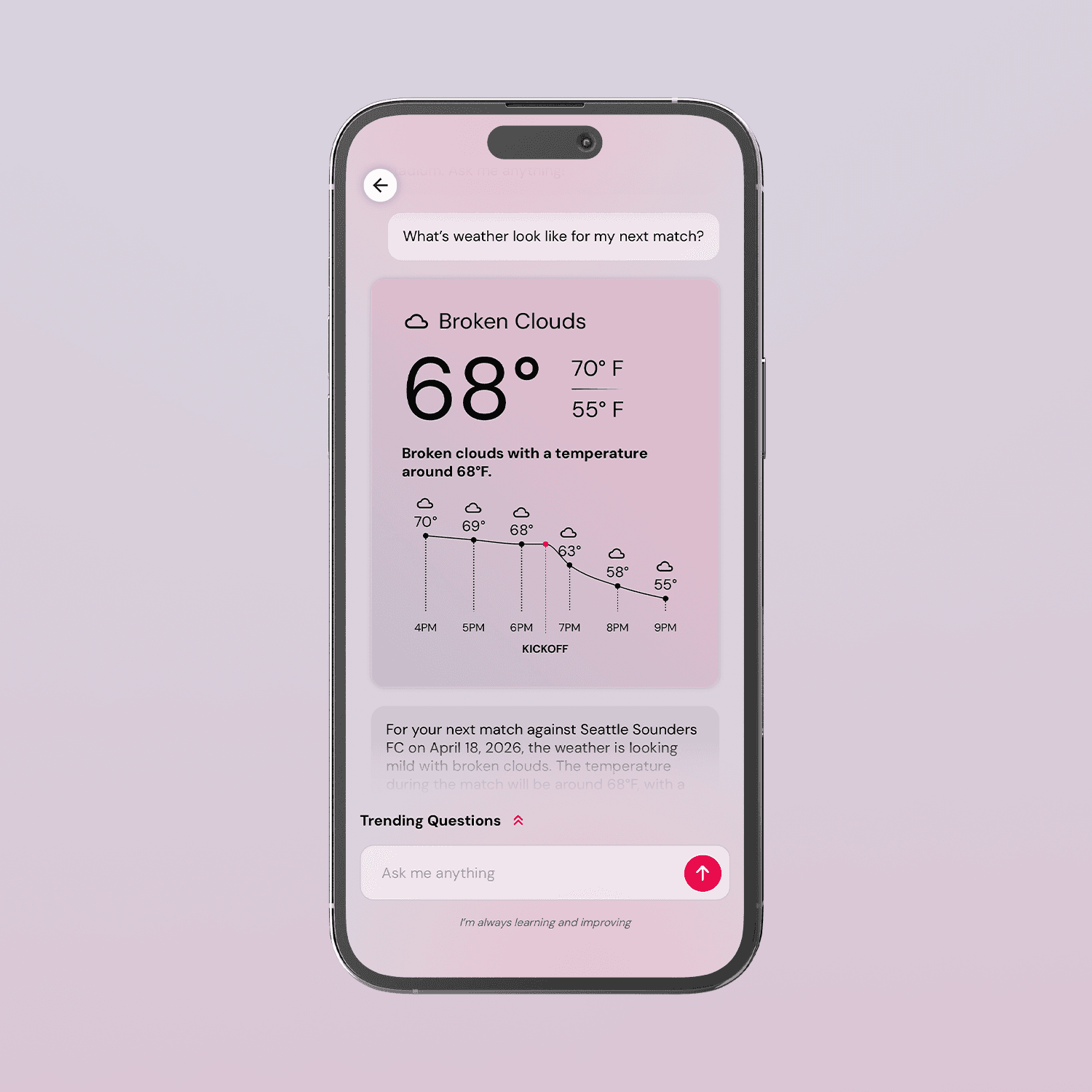
CITY had the data to make the app more personal, but needed an AI experience fans could actually trust and use in the moment.
Ace launched as an AI assistant inside the CITY app, using RAG, guardrails, and careful interface design to make answers useful, reliable, and increasingly personalized.
Starting with the right groundwork
Because we were building CITY from scratch, we had a rare chance to make the right calls early on technology, partners, and data. From the beginning, we believed matchday could become a much more personal experience for fans.
As AI became more practical, Ace became a natural next step. It gave us a way to turn that earlier work into something fans could use directly.
How we made Ace different
There is no shortage of chat-based AI experiences. From the start, I wanted to make sure Ace felt like more than another generic assistant layered into an app.
To make it genuinely useful, I pushed the team around three core ideas:
- It needed to know CITY deeply. That meant the team, the stadium, the club, and the live context around matchday.
- It needed to personalize to the individual fan. The goal was not generic answers, but a more contextual experience built on 1-to-1 fan data.
- It needed to move beyond a wall of text. Good UX still matters. Fans need information presented in ways that are easy to understand and easy to act on.
Delivering on those ideas required more than just plugging in a model. We treated Ace like a real product, not a demo. That meant setting answer quality standards, setting guardrails, and deciding how retrieval, prompts, and interface design needed to work together.
We used a retrieval-based approach and prompt controls so the experience could stay grounded in current club information while staying careful around policy-sensitive topics. We also made model and infrastructure choices based on the job to be done, balancing speed, answer quality, and reliability.
That let us support questions about weather and what to bring, team news, stadium policies, food recommendations, directions, ticketing, and seating information.
We also spent time on the interface. I wanted AI responses to work alongside more familiar UI patterns so information felt easier to scan, trust, and act on.
What we learned
From a product and build perspective, we learned that AI work is as much design and judgment as it is technology. Good results depended on setting clear targets, defining guardrails well, and building feedback loops that let the team iterate without losing trust.
We also learned that AI worked best when it helped quietly, not when it tried to be the main event. The goal was never to make fans interact with AI for the sake of it. The goal was to reduce friction in matchday moments that actually mattered.
Infrastructure and model selection mattered more than they first appeared to. Different jobs required different strengths. Some needed more reasoning to generate better recommendations, while others needed tighter controls around retrieval, policy accuracy, and safety.
From the fan side, one of the most interesting lessons was how quickly people began using Ace in ways that went beyond what we first expected. One beta-testing fan told me they liked being able to ask Ace about team news, stats, and stadium questions without having to dig through the app to find the answer. That stood out to me. We care deeply about the CITY app experience, so hearing that helped reinforce how some fans see AI: not as a novelty, but as a faster path to what they need.
Where it can go
Ace is still an early step toward a more integrated digital fan experience.
The bigger opportunity is deeper integration across the app, so personalization shows up earlier and fits each fan's context better. That is where Ace gets most interesting to me, not just as an assistant, but as part of a broader product experience that can adapt more naturally to each fan in real time.
More with St. Louis CITY SC
CITY Pay
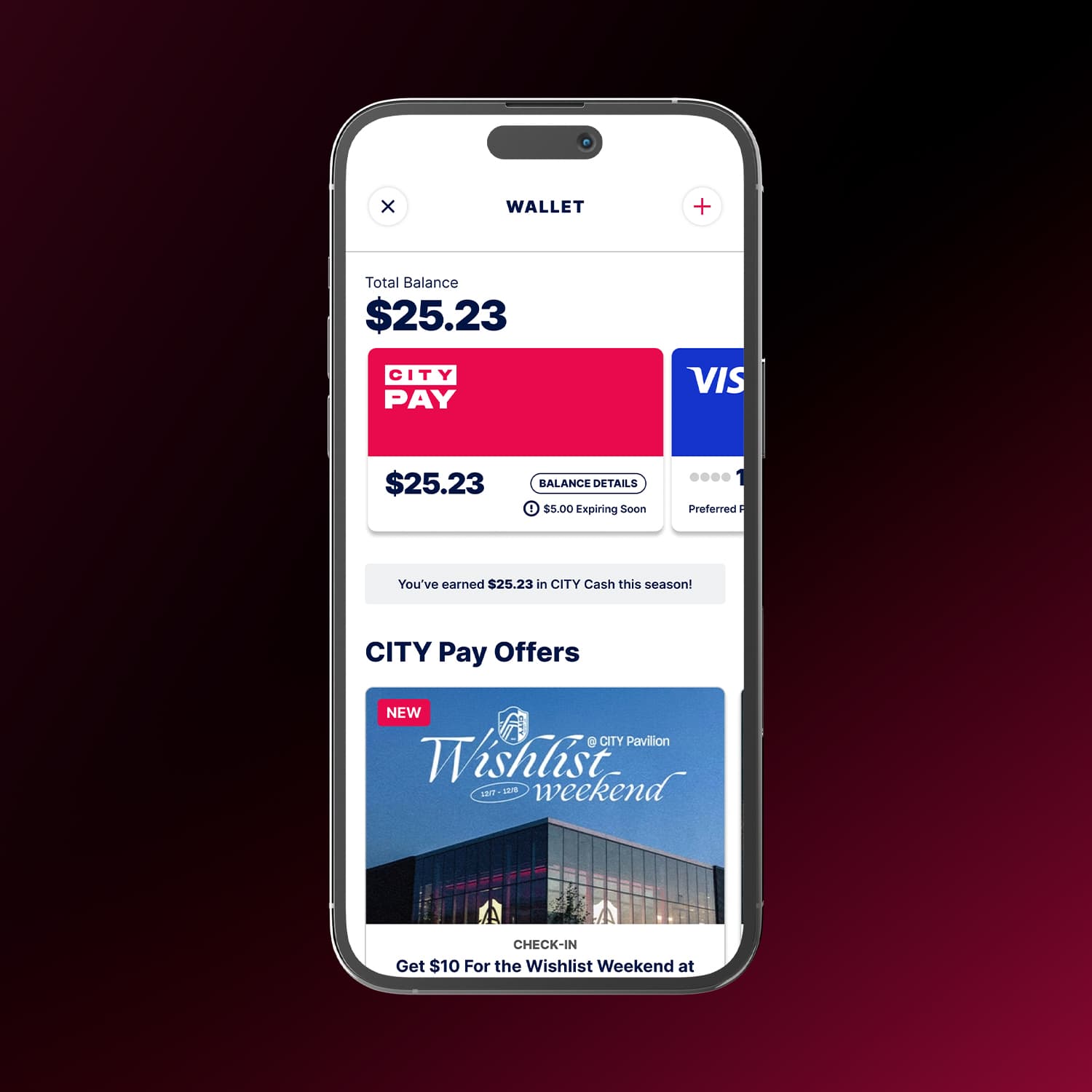
CITY Pay turned payments into a loyalty and personalization lever, moving more matchday spending into the CITY app.
myCITY+
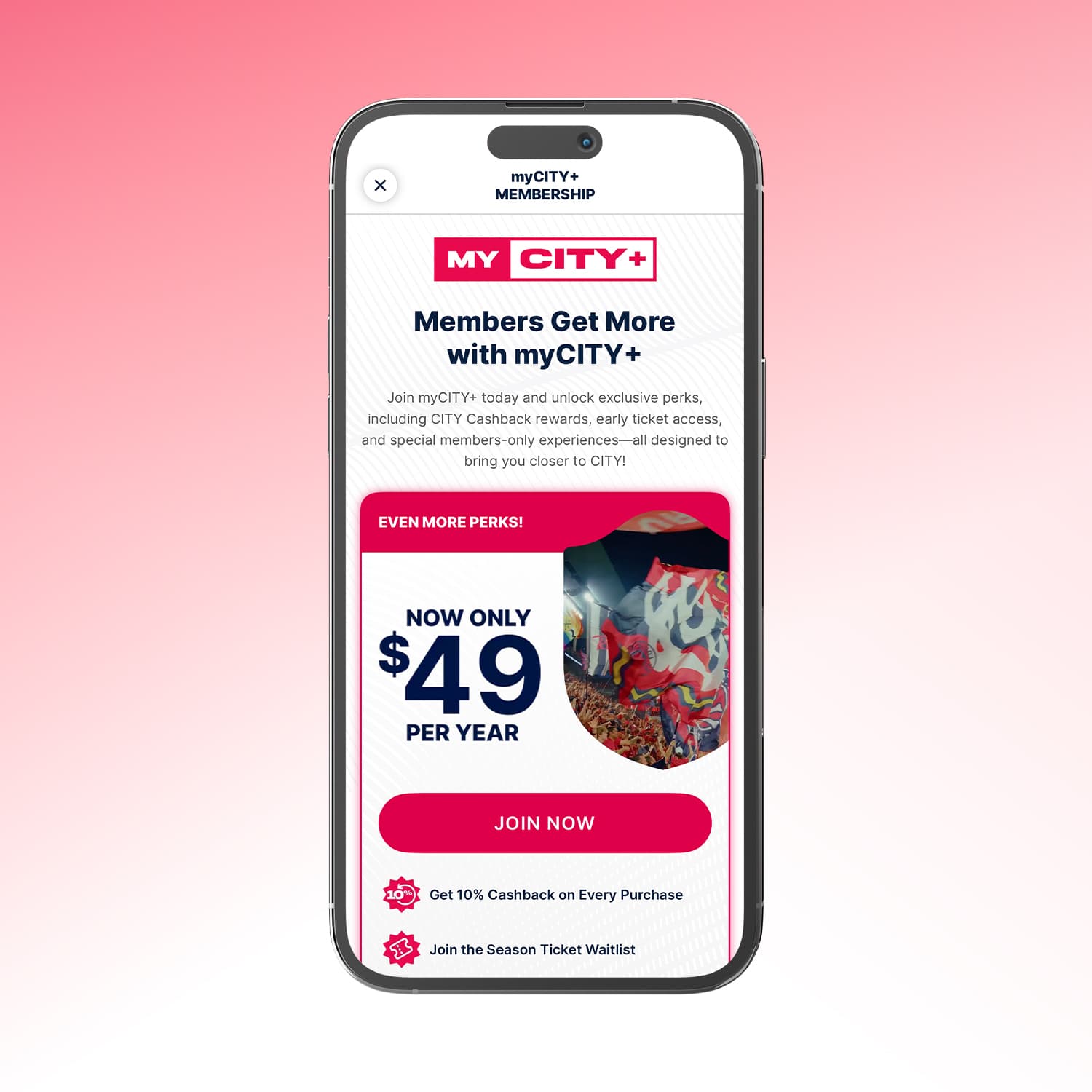
myCITY+ started as a response to constrained ticket inventory, then grew into a paid loyalty membership for the club’s most engaged supporters.
Frictionless Food & Beverage
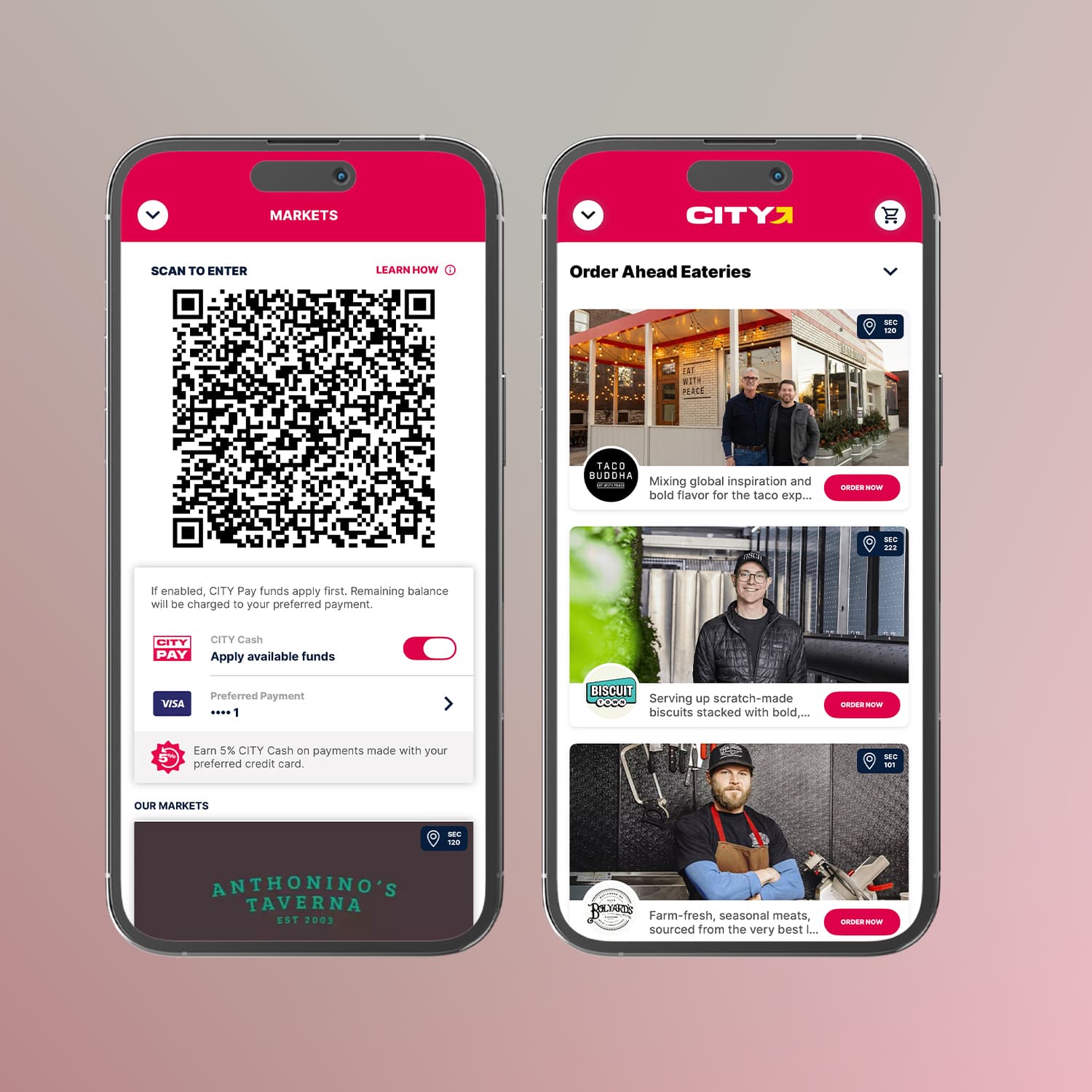
We redesigned matchday food and beverage around speed, self-service, and multiple ways to buy, so fans could spend less time in line and more time in their seats.